
Since 1926, Baker Institute scientists have been turning questions into discoveries — and discoveries into treatments, policies and tools that change lives.
These are some of the milestones that have defined our first century.
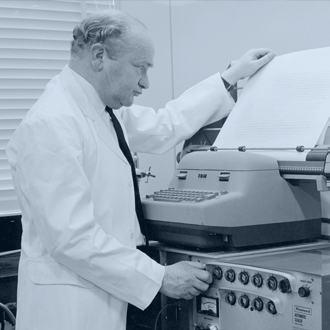
Two types of diabetes
In the late 1940s, Baker institute scientists made a discovery that changed medicine forever — proving that diabetes is not one disease but two, each with fundamentally different causes and treatments.
More info
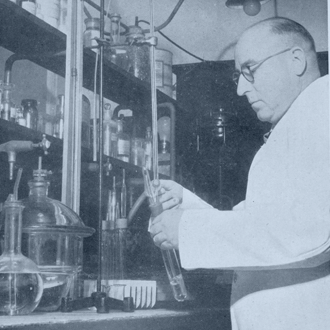
Cracking the code on blood clotting
Baker Institute researchers in the 1940s helped unravel the mysteries of blood coagulation — discoveries that improved treatment for heart attack, enabled open heart surgery and transformed the management of haemophilia.
More info
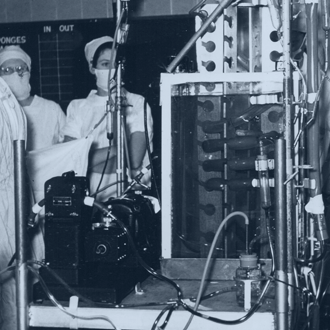
Opening the heart
The Baker Institute helped make Australia's first open heart surgery possible in 1957. The heart-lung machine that made it happen was built and tested in our laboratories — assembled in just 10 days.
More info
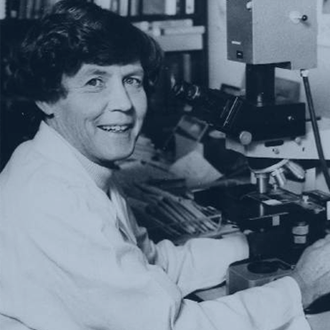
When painkillers become the problem
Research linked to the Baker Institute in the 1960s exposed the hidden dangers of widely used compound analgesics like Bex powder, linking them to kidney disease. By 1977, these drugs were banned in Australia.
More info
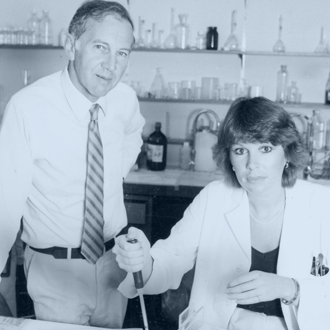
Why fish is good for your heart
Baker Institute researchers were among the first to demonstrate that omega-3 fatty acids in fish oil lower blood triglycerides and improve the elasticity of arteries — findings that have since shaped dietary guidelines worldwide.
More info

We saw it coming
Decades before the global diabetes crisis took hold, researchers linked to the Baker Institute predicted its scale. Their pioneering epidemiological work — from the Pacific to Mauritius — shaped how the world understands and responds to type 2 diabetes.
More info
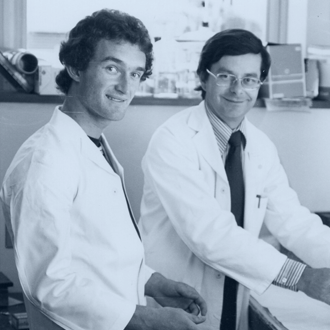
Listening to the nervous system
Baker Institute scientists developed a groundbreaking method to measure sympathetic nervous system activity in the human body — knowledge that helped unlock the science behind beta blockers and new approaches to treating hypertension and heart failure.
More info
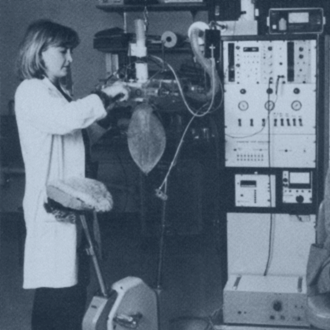
Moving the needle on heart health
Baker Institute researchers proved what many suspected but hadn't yet established — that regular moderate exercise meaningfully reduces cardiovascular risk. Their clinical trials have helped shape physical activity guidelines used around the world.
More info
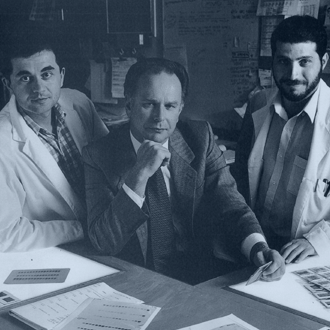
Inside the walls of your arteries
Baker Institute discoveries about how blood vessels change and remodel have led to new treatments for pulmonary arterial hypertension and safer drug strategies — with implications extending to autoimmune diseases like rheumatoid arthritis.
More info
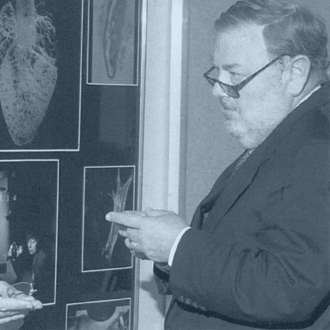
The salt-retaining hormone and your heart
Baker Institute researchers pioneered our understanding of aldosterone — the body's salt-regulating hormone — and its role in high blood pressure and heart failure. Their work has shaped treatments now considered standard care worldwide.
More info
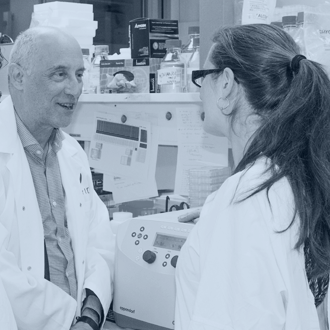
Your cells remember poor glucose control
Baker Institute scientists identified the molecular mechanism behind 'metabolic memory' — revealing why past episodes of poor blood glucose control in diabetes leave lasting damage on the heart, blood vessels and kidneys.
More info
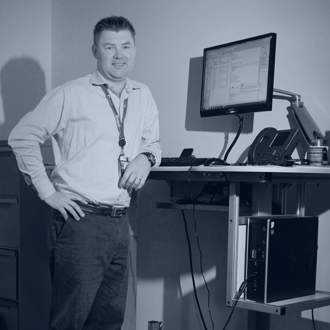
Sitting is a health risk — even if you exercise
Baker Institute researchers were the first to show that too much sitting is independently harmful to health, separate from how much exercise you do. Their work triggered a global rethink of physical activity and has shaped policy worldwide.
More info