
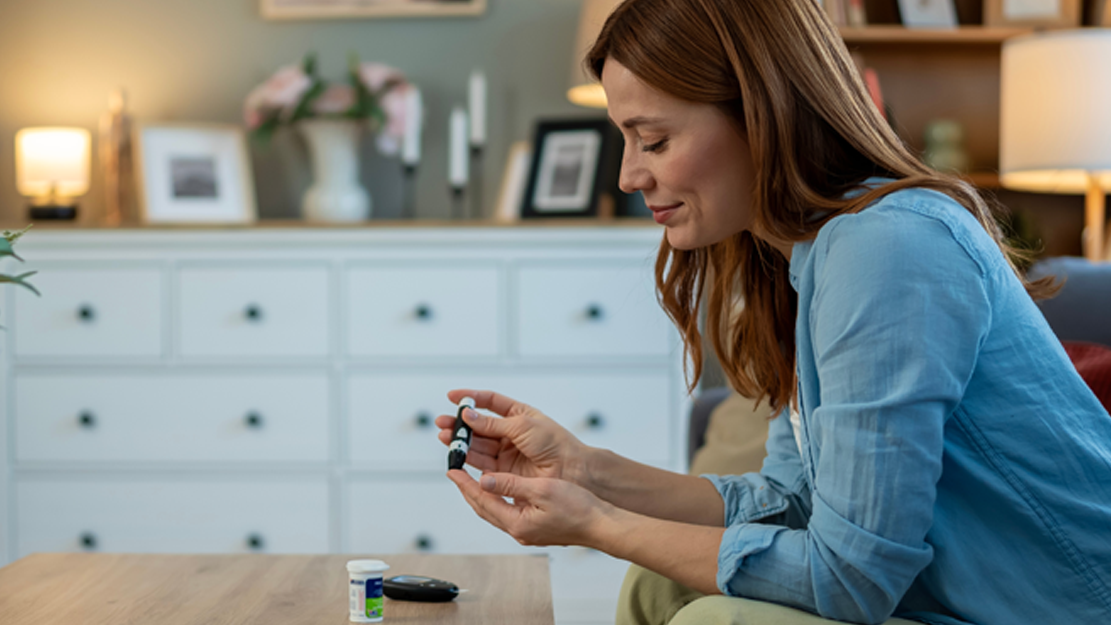
Illness, infections and certain medications can significantly affect your blood glucose levels, making a sick day management plan essential for safe diabetes control.
Here's what many people don't realise: even when you're not eating much or feeling nauseous, your blood glucose levels can rise dramatically during illness. Your body's stress response to being unwell often increases blood glucose, meaning you may need more medication or insulin, not less.
What you will learn in this fact sheet
This guide provides essential information to help you manage your diabetes safely when you're unwell.
- When to activate your sick day management plan.
- Key steps to follow during illness.
- How to adjust medications and insulin safely.
- What to eat and drink when you're unwell.
Understanding sick days and diabetes
How illness affects blood glucose
Several factors can cause your blood glucose levels to rise or fall when you're unwell:
- Common illnesses like tonsillitis, chest infections, ear infections and urinary tract infections trigger a stress response that typically raises blood glucose levels.
- Medications such as steroids can significantly increase blood glucose levels.
- Stressful events including emotional stress and surgery may raise blood glucose levels.
- Gastric illnesses like gastroenteritis, vomiting, diarrhea and food poisoning can either raise blood glucose levels or cause them to drop, depending on the situation.
When to activate your plan
Start your sick day management plan when:
- You are unwell or have an infection, even if your blood glucose levels are in target range.
- Blood glucose levels are greater than 15mmol/L for 8-12 hours or more, even if you feel okay.
- Based on previous experiences with illness, infections or steroid medications.
Key steps in your sick day plan
Step 1. Continue your medication
Do not stop taking your diabetes medications or insulin unless specifically advised by your doctor.
If you take insulin:
- Expect to increase your insulin doses during illness.
- Extra insulin should be rapid-acting or short-acting, in addition to your usual doses.
- You may need to take insulin outside your usual times—your diabetes team will advise you.
- Occasionally glucose levels can fall during illness, requiring insulin dose reductions.
Step 2. Review specific medications
Certain diabetes medications may need to be temporarily stopped if you are fasting, have influenza, gastric illness or are scheduled for surgery. Check with your doctor about which medications might need adjustment.
Step 3. Stay hydrated and nourished
Continue eating and drinking if possible. Aim for 125-250ml of fluid per hour.
If blood glucose is less than 15mmol/L:
- Choose fluids containing carbohydrate (15-20 grams per hour) such as fruit juice, regular soft drink, milk or sports drinks.
If blood glucose is more than 15mmol/L:
- Choose fluids without carbohydrates (125-250ml per hour) such as water, diet soft drink, Powerade Zero, diet cordial, diet jelly or broth.
Step 4. Monitor closely
Check your blood glucose levels every 2 hours if they remain above 15mmol/L for 8-12 hours.
Creating your personal sick day plan
Work with your diabetes specialist to develop a personalised plan that includes:
- Your usual total daily insulin dose.
- When to increase insulin doses (e.g. if glucose levels rise above 15mmol/L persistently).
- How much to increase insulin by (e.g. increase basal insulin by 10%).
- When to decrease insulin doses (e.g. if glucose levels drop below 4mmol/L frequently).
- How much to decrease insulin by (e.g. decrease basal insulin by 10%).
Important: People taking premixed insulin require individualised medical advice for sick day management.
Supporting vital diabetes research
This evidence-based fact sheet was developed by the Baker Heart and Diabetes Institute, where our team provides specialist diabetes education and support services.
Help us continue providing free, expert health resources. Your support enables us to develop more comprehensive fact sheets for diabetes management, conduct research that improves outcomes for people with type 2 diabetes, and make evidence-based health information freely accessible to all Australians.
When to seek urgent medical help
Contact your medical team or go to your nearest emergency department if you experience:
- Persistent hypoglycaemia (low blood glucose).
- Vomiting for more than 4 hours.
- Blood or bile-stained vomit.
- Severe dehydration (increased thirst, dry mouth, dizziness, fainting, headache, decreased urination or sweating).
- You or your support person feels unable to manage the situation.
Call 000 for an ambulance if you are unwell and cannot manage your diabetes.
Important reminders
- Identify someone to stay with you when you're unwell.
- Tell a family member, neighbour or friend that you're sick.
- Keep phone numbers for your diabetes specialist, diabetes educator and GP readily accessible.
- Know the location of your nearest emergency department.
Download the fact sheet
This guide should be used in consultation with your diabetes healthcare team.