
Laboratory head

Research projects and Clinical research studies

Meet the team
Research/Nursing staff
-

-
-

Students
-
-
Administrative staff

Affiliates
-
About us
The Community Prevention and Cardiac Research team is dedicated to supporting individuals in identifying and addressing their risk of developing, or managing, two of Australia's most prevalent chronic diseases — cardiovascular disease and diabetes.
We take research out of the laboratory and into the community, conducting clinical trials and research studies to evaluate disease management programs aimed at enhancing healthcare delivery and improving health outcomes in the environments where people live.
Our research predominantly takes place in community settings, with a strong emphasis on identifying higher-risk individuals with asymptomatic disease — those who have no signs or symptoms but remain at significant risk of poor health outcomes.
Nurse-led care models
We conduct clinical trial research demonstrating the benefits of nurse-facilitated models of care. In the modern era, the use of mobile health (mHealth) resources to promote health behaviour change and implement gold-standard care are embedded in disease management programs.
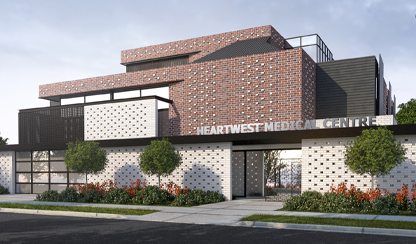
Through our collaboration with HeartWest, which adjoins the Baker Institute Clinical Trial and Research Centre in Melbourne's outer west (Wyndham), we also perform international clinical trials sponsored by pharmaceutical companies.
Collaborative partnerships for personalised care
We collaborate with eminent cardiologists, endocrinologists, bioinformaticians, leading GP academics, health economists and Aboriginal health researchers. These partnerships, combined with our expert team of research fellows, clinical researchers, cardiac nurses and support staff, enable us to deliver personalised care that targets risk and protective factors for those who need it most.
Community engagement
We collaborate with the Baker Institute's Community Engagement Group to embed meaningful consumer and community voices into our research. This engagement has helped shape our community-based interventions, refine how we deliver care in local settings, and support more relevant, accessible and impactful outcomes for people seeking to prevent or manage cardiovascular disease and diabetes.