
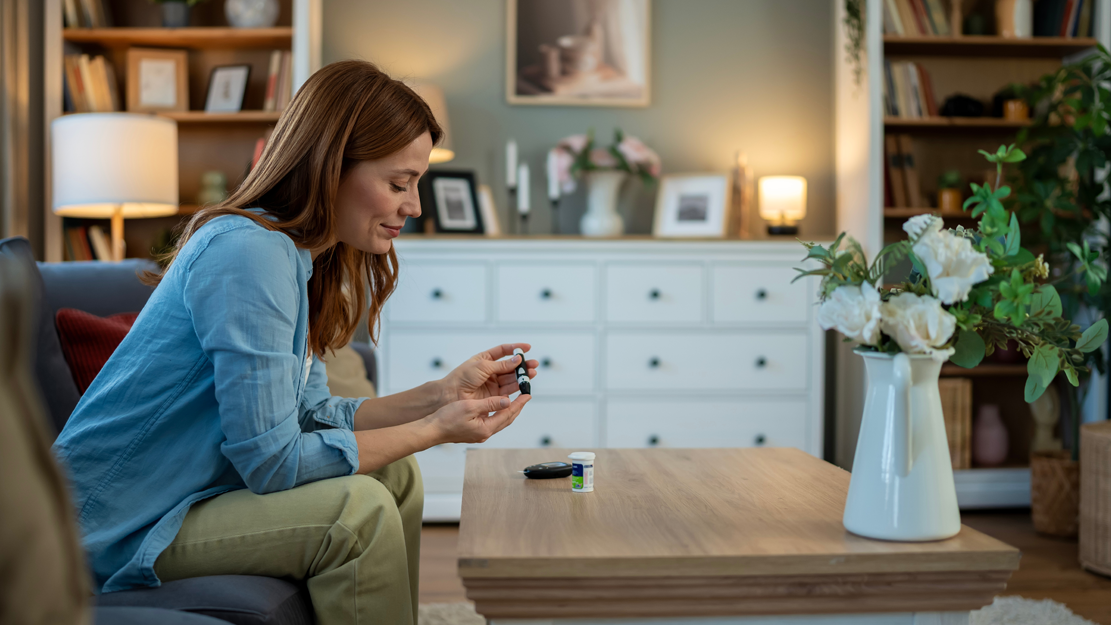
This advanced technology delivers a continuous flow of insulin throughout the day, providing greater flexibility and improved glucose control.
If you're considering insulin pump therapy, understanding how it works and what's involved is an important first step. An insulin pump can transform diabetes management, but it requires commitment, training and the right support from your diabetes team.
What you will learn in this fact sheet
This fact sheet provides comprehensive information about insulin pump therapy.
- How insulin pumps work and their benefits.
- What's required to use an insulin pump successfully.
- Understanding the costs and insurance coverage.
- The challenges of pump therapy and how to manage them.
- The importance of carbohydrate counting.
Understanding insulin pump therapy
What is an insulin pump?
An insulin pump is a small battery-operated device that delivers rapid-acting insulin continuously through a thin tube (cannula) inserted under your skin. Unlike multiple daily injections, the pump provides precise insulin delivery 24 hours a day.
The pump delivers two types of insulin:
- Basal insulin — background insulin delivered continuously throughout the day and night.
- Bolus insulin — extra insulin for meals and to correct high blood glucose levels.
You control the pump within settings programmed by your diabetes team, entering carbohydrates in grams for meals so the pump calculates the correct insulin dose.
What insulin pump therapy requires
Successfully using an insulin pump requires:
- Motivation — commitment to learning and managing the technology.
- Trust in technology — confidence in using a device to manage your diabetes.
- Glucose monitoring — either continuous glucose monitoring (CGM) or frequent blood glucose checks (at least 4 times daily).
- Carbohydrate counting — ability to accurately count carbohydrates in all meals and snacks.
Benefits of insulin pump therapy
Improved glucose control
Continuous delivery of rapid-acting insulin eliminates the variable absorption rates of long-acting insulin, leading to more stable blood glucose levels.
Greater flexibility
Eat meals when convenient rather than being tied to injection schedules. The pump eliminates the need to eat to prevent low blood glucose.
Fewer hypoglycaemic episodes
Insulin delivery adjusts precisely to your individual needs throughout the day and overnight, reducing the risk of low blood glucose.
Better quality of life
Improved glucose management helps restore confidence and reduces diabetes-related stress.
Hybrid closed-loop system
When combined with CGM, the system automatically adjusts basal insulin based on glucose readings, providing advanced automated management.
Improved exercise and activity management
Easily reduce basal insulin during physical activity to prevent low blood glucose.
Better sick day management
Increase basal insulin rates during illness when insulin requirements typically rise.
Safe during pregnancy
Insulin pumps accommodate the varying insulin requirements throughout pregnancy.
Supporting vital diabetes technology research
This evidence-based fact sheet was developed by the Baker Heart and Diabetes Institute, where researchers have been advancing diabetes technology and treatment for decades.
Help us continue providing free, expert health resources. Your support enables us to:
- Develop more comprehensive fact sheets like this one.
- Conduct research that informs better diabetes management approaches.
- Make evidence-based health information freely accessible to all Australians.
Support our research and free resources
Your donation helps ensure we can continue creating and updating valuable health guides for the community.
Challenges of insulin pump therapy
Risk of diabetic ketoacidosis (DKA)
Because pumps use only rapid-acting insulin, any disruption to insulin delivery can cause blood glucose to rise quickly and produce ketones. Regular monitoring is essential.
Frequent monitoring requirements
Without CGM, you'll need to check blood glucose at least four times daily — up to eight times when first starting pump therapy.
Skin reactions
Though hypoallergenic options are available, skin reactions to adhesives or cannulas can occur. Infusion sets must be changed every three days, and proper insertion technique prevents infections.
Learning curve
Managing pump alarms, alerts and technology requires training and practice. Pre-reading materials and online tools help prepare you for pump start.
Staying connected
Being attached to a device 24 hours a day takes adjustment. While pumps are small and can be hidden in clothing, they're worn externally. Pumps can be disconnected temporarily for showering, swimming or intimacy.
Choosing the right insulin pump
Selecting an insulin pump is an important personal decision. Several pumps are available in Australia, each with different features and capabilities.
Consider your lifestyle, the features most important to you, and discuss options with your diabetes team. Pumps available in Australia are approved by the Therapeutic Goods Administration. Speak with your diabetes educator for current information about available models.
Carbohydrate counting for pump use
Accurate carbohydrate counting is essential for insulin pump therapy. You'll need to identify all carbohydrates in meals, snacks and beverages, counting them in grams to calculate the correct insulin dose.
Before starting pump therapy, a dietitian will teach you:
- Which foods contain carbohydrates, including commonly forgotten sources.
- How to read food labels and measure foods accurately.
- How to use reliable apps, databases and resources for carbohydrate counting.Strategies for counting carbohydrates when eating out or cooking at home.
You'll practice carbohydrate counting at home and complete food diary records for dietitian review before commencing pump therapy.
Getting started with an insulin pump
If you and your specialist agree pump therapy is right for you, you'll need:
- Series of appointments with a diabetes educator to learn pump management skills, paced to your needs.
- Sessions with a dietitian to develop carbohydrate counting skills.
- Regular follow-up appointments for several weeks after starting, to fine-tune pump settings (these may be conducted remotely).
- Ongoing support from your diabetes team as you become comfortable managing your pump independently.