
About us
The Atherothrombosis and Vascular Biology laboratory is pioneering new ways to diagnose and treat atherosclerotic, thrombotic and inflammatory diseases, including heart attack and stroke.
Our work spans a diverse range of biotechnological methods. We design and produce recombinant proteins, generate functionalised nanoparticles, liposomes and microbubbles, and employ cutting-edge omics technologies including single-cell RNA sequencing, proteomics and lipidomics. Our toolkit also includes immunological technologies, flow cytometry, flow chambers, microfluidics, intravital microscopy, and advanced imaging techniques such as ultrasound, MRI and PET. We use various animal models of thrombosis, atherosclerosis (including a unique mouse model of plaque instability), inflammation, heart attack and stroke to test our discoveries.
Most recently, we've expanded into mRNA therapeutics and their optimised delivery by various lipid nanoparticles, a highly promising frontier in cardiovascular medicine.
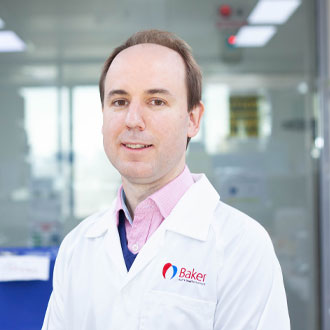
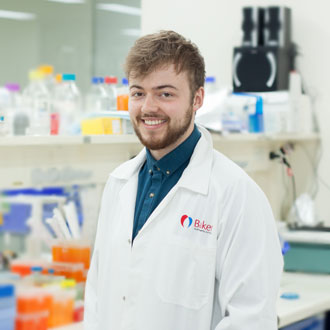
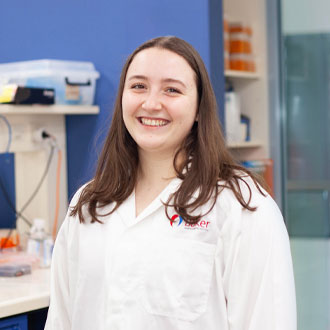
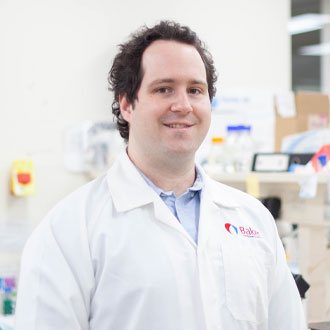
All our projects share a strong translational focus. This is strengthened by several laboratory members being physicians, cardiologists and haematologists, actively treating patients with cardiovascular disease and haematological conditions. The direct connection between laboratory discovery and clinical practice means our research can move quickly from bench to bedside.
Why join our laboratory?
Our laboratory offers an exceptional environment for students and postdoctoral researchers interested in developing advanced biotechnological tools for molecular imaging and novel therapeutics — including nanoparticles, anti-thrombotic and anti-inflammatory drugs as well as mRNA therapeutics for plaque stabilisation.
The translational direction of our work and the inclusion of patients in studies make this laboratory particularly attractive for physician scientists seeking to bridge basic research and clinical practice.