
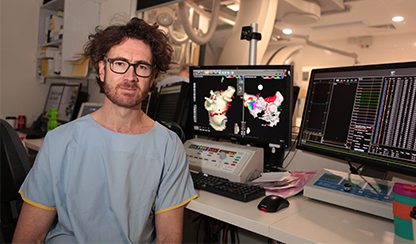
For many of us, a cup of coffee or a glass (or two) of alcohol are a regular part of life. But Professor Peter Kistler is encouraging us to reconsider our choices as we enter 2026.
Professor Peter Kistler’s research has attracted international attention, defining the role of alcohol and coffee in heart rhythm disorders.
Peter was behind the first and only randomised trial exploring the role of alcohol in the heart, which showed 50% of ‘social drinkers’ no longer experienced atrial fibrillation (AF) if they stopped drinking.
“Alcohol is not ‘good for the heart’,” he explains. “One standard drink of alcohol per day increases the incidence of AF by 8 per cent, and up to 50 per cent of emergency department attendances for AF are triggered by alcohol.”
With your continuing support, in 2026, Professor Kistler’s research projects will include exploring whether coffee can protect against AF. “A common misconception is that coffee causes AF,” he says. “Large population studies show regular coffee drinkers live longer, have a lower incidence of heart disease, including atrial fibrillation. 1 to 3 cups of coffee per day are considered part of a healthy diet.”
In the year ahead he and his team will also explore the beneficial impacts of yoga on AF. “We believe regular yoga can help modify our body’s involuntary fight-or-flight response, which we know is important in triggering and maintaining AF,” Prof Kistler said.
Click here to learn more about the Yoga/AF study and see if you’re eligible.
What is arial fibrillation?
Atrial fibrillation (AF) is the most important cause of an irregular heartbeat, associated with ageing, obesity and regular alcohol consumption. Symptoms may include fatigue, breathlessness, palpitations, irritability, poor concentration, or there may be no symptoms at all. “This is not what we want,” says Tin. “We need to make something that is going to prevent only artery inflammation.”
Yoga, a zen space for your heart

When we think about exercise that protects the heart, many of us picture brisk walks, gym workouts or activities that leave us out of breath. But yoga, with its blend of breathing, stretching and mindful focus, is emerging as a supportive tool for cardiovascular health.
A review published in the European Journal of Preventive Cardiology found that regularly practising yoga may lower heart disease risk as effectively as more traditional forms of exercise like brisk walking. Studies at the Baker Heart and Diabetes Institute are also exploring yoga’s potential benefits for people living with atrial fibrillation, a condition that causes an irregular heartbeat.
Many cardiologists are also interested in yoga for the way it may influence the body’s autonomic nervous system, which helps regulate automatic responses such as heart rate and blood pressure. When this system is pushed by chronic stress, the body’s “fight-or-flight” reaction can place extra load on the heart.
One of yoga’s most direct benefits for the heart is its ability to lower emotional stress. When stress builds, the body releases hormones like cortisol and adrenaline. These hormones tighten blood vessels and raise blood pressure over time. Yoga’s slow breathing and mindful awareness may help counter this process, bringing a sense of zen-like calmness that lingers long after the exercise is finished.
For people recovering from a cardiac event, such as a heart attack or bypass surgery, the emotional impact can be significant. Yoga can offer a gentle way to manage feelings of worry and low mood.
Studies suggest that yoga may help support heart health in a variety of ways. Some research has observed modest reductions in blood pressure, improvements in blood glucose
and cholesterol, and a steadier heart rate in people who practice yoga regularly. Even short, consistent sessions can help you feel calmer and more balanced.
Yoga doesn’t replace medical care or aerobic exercise, but it’s a simple, accessible practice that can support both heart and emotional health.